Custom Search
|
Custom Search
|
 |
|
"People will not look forward to posterity who never look backward to their ancestors."
Quotes
Shops Ireland Bunús na Gaeilge Did You Know? Himself/Herself Write to Us Readers Write.. Links/Link to Us Advertise with us Awards & Testimonials
|
The Lenten Season in Old Ireland For breakfast, a family might have had a small meal of dry bread, or porridge, washed down with black tea - and then the same for supper. For their midday dinner, the meal was usually potatoes seasoned with fish or onions. Families living on the coast most likely would have augmented the dinner menu with shellfish and edible seaweed. Traditionally, children over the age of seven years received no milk; younger children were given it sparingly, and an infant, according to folklore was "allowed to cry three times before he got his milk on fast days". Since Lent was supposed to be spent in penitential prayer, all socializing came to a halt. In fact, no merry-making of any kind was allowed or tolerated. That meant no music, dancing, card games or even visiting with the neighbors. In many homes, the musical instruments were stored away, and the deck of cards was burned. A new deck would not be purchased and brought into the house until Lent was over. Many people also gave up smoking as well as alcohol 'for the duration'. By the middle of the nineteenth century, the rigid austerities of the Lenten fast had been greatly relaxed so that the majority of Irish people observed 'the black fast'- one meal and just water to drink only on Ash Wednesday and Good Friday. There was also a welcome break from the long, sombre days to look forward to - the feast of St. Patrick on March 17th. |
 Ilnacullen, Co. Cork - an Island Garden Ilnacullen, Co. Cork - an Island GardenLocated in the sheltered harbour of Glengarriff in Bantry Bay. Ilnacullin, which means island of holly, is a small island known to horticulturists and lovers of trees and shrubs all around the world as an island garden of rare beauty.
|
||||||||||
|
||||||||||||
| All contents copyright © 2001 through 2011 inclusive - all rights reserved. March 4, 2011 |
Rollover button Images: Wedding LaRose, Kids Reading & Kitchen Apples and Tea from All Posters prints. The information provided on this site is offered as-is, without warranty. This site's owners, operators, authors and partners disclaim any and all liability from the information provided herein. Any trademarks or registered trademarks on this site are the property of their respective owners. |
This Web Site Bashed, Kicked & Glued together by Russ Haggerty. |
||||||||||




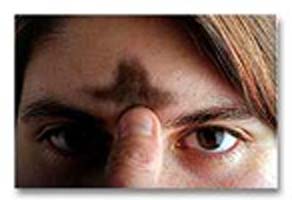 Ash Wednesday marks the beginning of the holiest time of the Christian year in Ireland. For centuries, the faithful have gone to church on this day to have their brow symbolically marked with a cross of ashes. Traditionally, the ashes came from burning the palms saved from the previous Palm Sunday, but, in some areas, the custom was for people to bring ashes from their turf fire into the church to be blessed.